From Concept to Production-Ready Designs
Our design and development department handles the complete engineering lifecycle — from initial client brief and feasibility study through to validated, production-ready drawings and tooling specifications.
Using industry-leading CAD tools and casting simulation software, our engineers ensure every component is optimised before a single mould is prepared, eliminating costly rework and reducing lead times significantly.
- 3D parametric CAD modelling (SolidWorks, AutoCAD)
- Reverse engineering from physical samples or drawings
- Design for Manufacturability (DFM) review
- Tooling and pattern design support
- Full GD&T engineering drawing packages
Expendable & Non-Expendable
Casting Methods
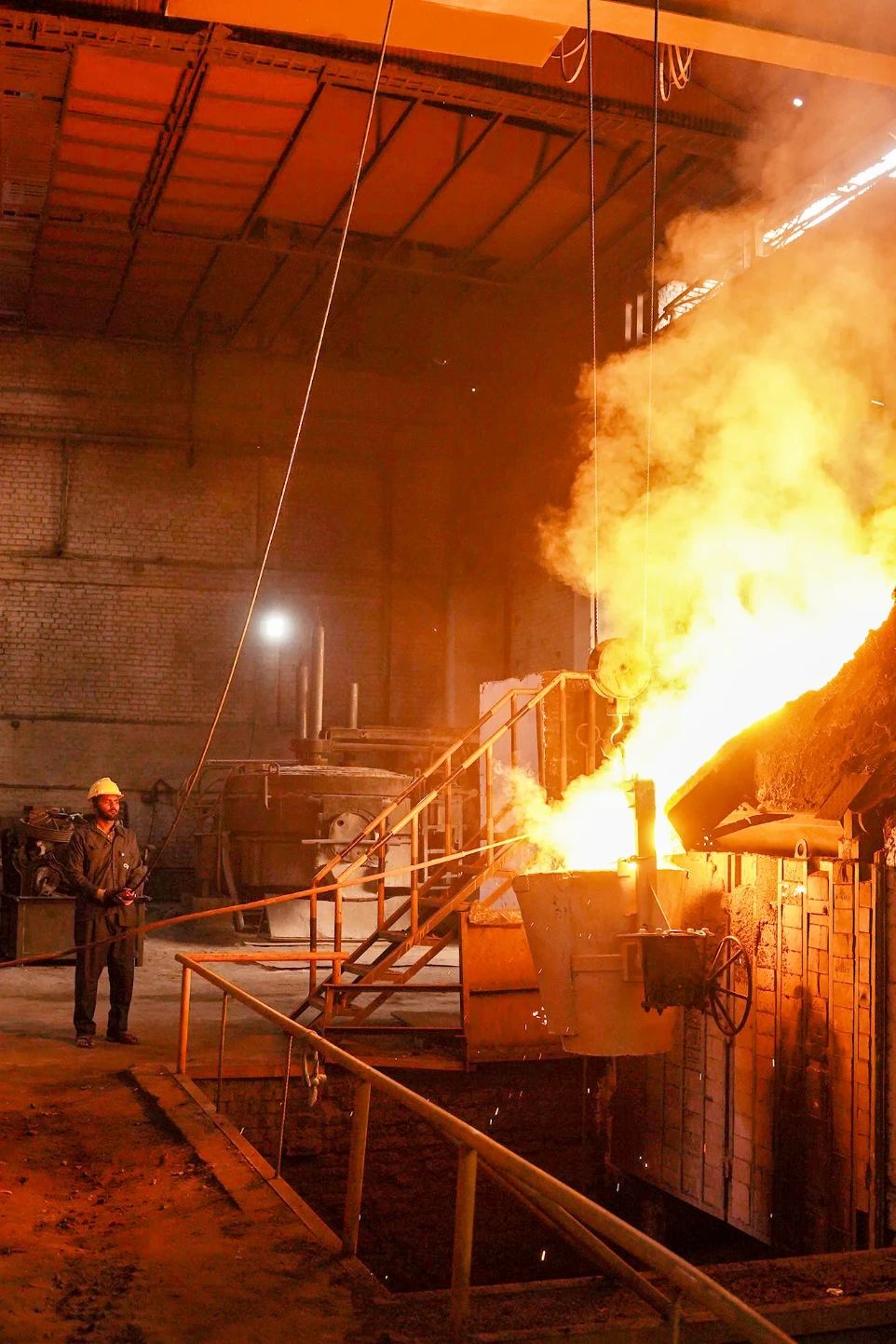
The modern casting process is subdivided into two main categories: expendable and non-expendable casting. These are further broken down by mould material — such as sand or metal — and pouring method, including gravity, vacuum, or low pressure.
Casting processes have supported industrial manufacturing for generations. At Chenab Engineering Works, proven sand-moulding methods are strengthened by modern process control, material verification, and disciplined production standards.
- Green sand and resin sand moulding
- Shell moulding for complex geometries
- CO₂ process for high-strength moulds
Precision you can measure
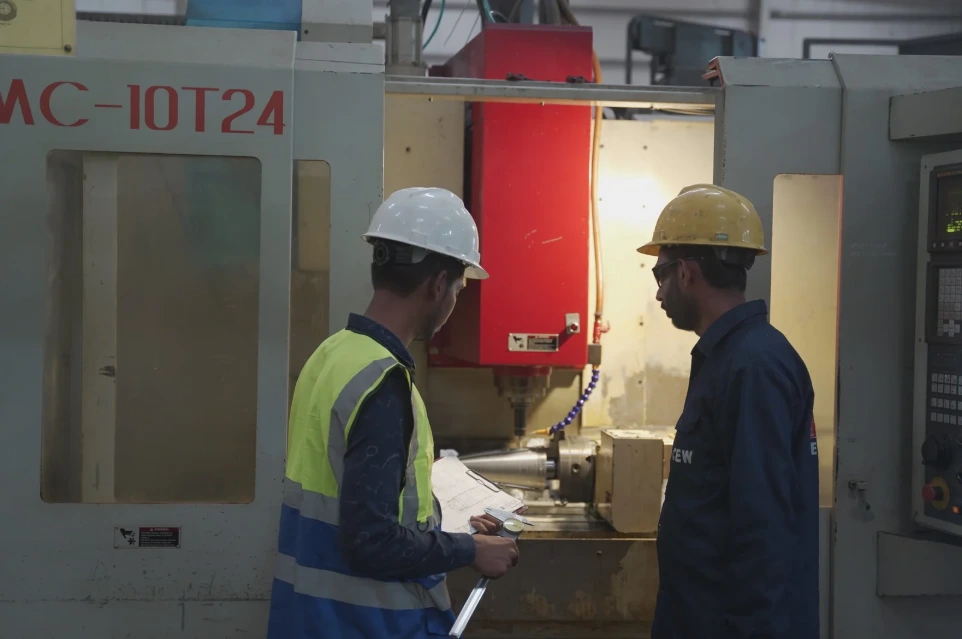
A machined component is only finished when it is proven. Every part is checked against its drawing using CMM and hand metrology, at first article and again in-process, so tolerances hold from the first piece to the last of the batch.
Because we cast and machine in the same facility, material traceability and dimensional records stay connected, and a full inspection report can be issued with your order.
- CMM dimensional verification against drawing
- First-article and in-process inspection
- Micrometer, bore gauge, and height-gauge metrology
- Material traceability from casting to finished part
- Inspection report supplied on request
The Right Grade for Every Application
Choosing the correct material grade is the single most important decision in any component's life. Our metallurgists work with your engineering team to specify the optimal alloy steel or cast iron grade, balancing strength, ductility, hardness, wear resistance, machinability, and cost against the demands of the application.
From standard grey and ductile iron through carbon and low alloy steels to stainless and non-ferrous grades, we match the material to the duty, then verify it. Where an off-the-shelf grade will not do, we develop a custom alloy formulation to hit the exact properties required.
- Grey iron and ductile iron grade selection
- Carbon, low alloy, and high alloy steel grades
- Stainless steel and heat resistant grades
- Aluminium, brass, and bronze alloys
- Strength, hardness, and wear targets defined to spec
Comprehensive Quality Control Services
Our quality assurance facility provides end-to-end inspection services for castings, machined components, and fabricated assemblies. We combine advanced metrology equipment with certified inspection procedures to deliver reliable, documented quality verification.
Every inspection is performed by trained quality engineers following ISO-compliant procedures. Results are documented with full traceability from raw material through final inspection.
- CMM dimensional inspection and GD&T verification
- Non-destructive testing (NDT) – UT, MT, PT, RT
- Material testing and chemical analysis
- Hardness testing (Brinell, Rockwell, Vickers)
- Visual inspection and surface finish verification
- First article inspection (FAI) and PPAP documentation
Hardening, Tempering, Annealing &
Normalising
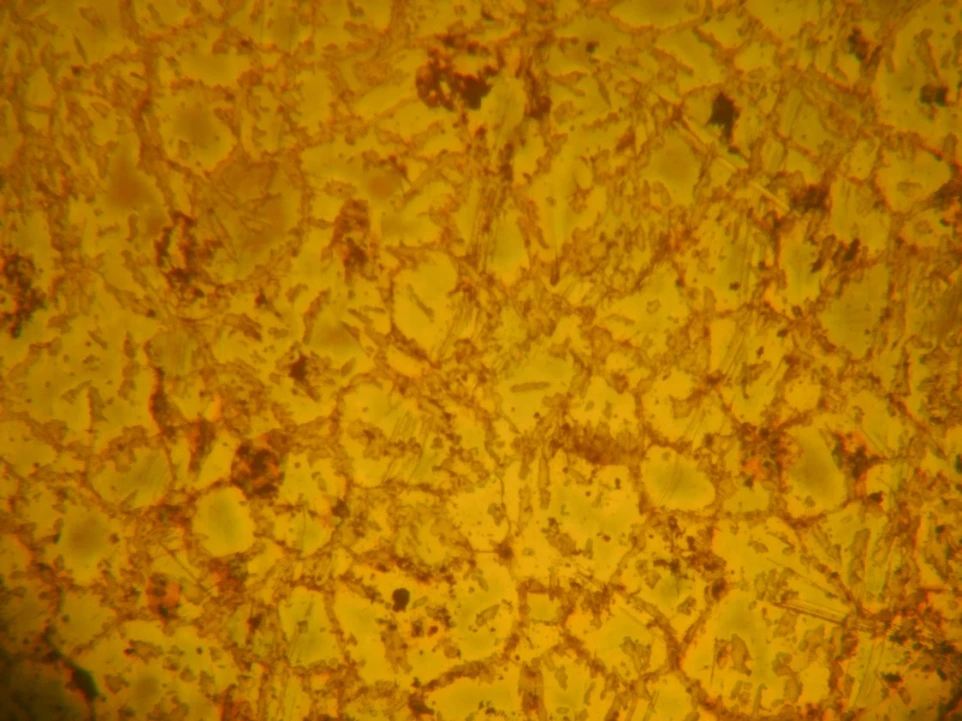
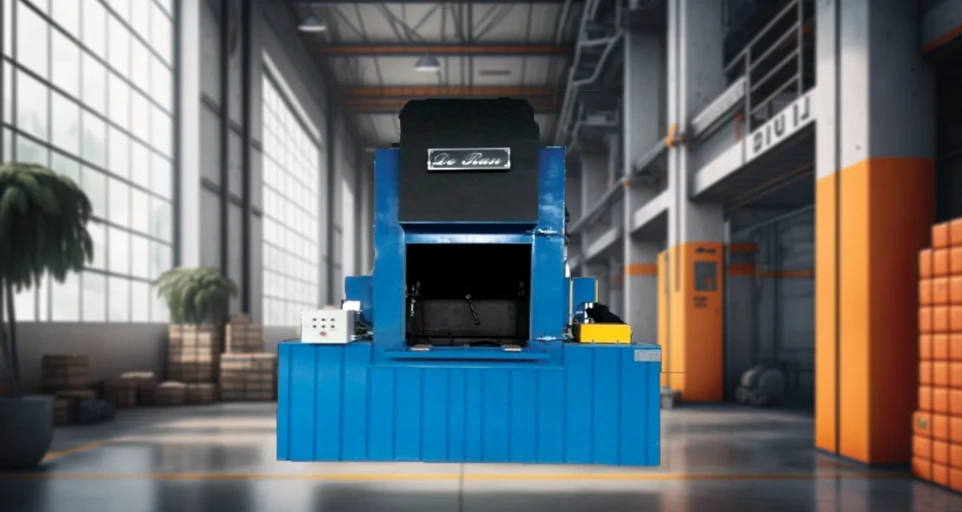
Most heat treatment work is built on a handful of fundamental cycles, each engineered to deliver a specific balance of properties. Hardening raises steel above its critical temperature and quenches it rapidly to lock in a hard martensitic structure, while tempering follows to restore toughness and remove the brittleness that hardening leaves behind.
Annealing softens metal and relieves internal stress for easier machining and forming, and normalising refines the grain structure to give uniform, repeatable mechanical properties across a full batch. Choosing the correct cycle for each component is where metallurgical judgement makes the difference between a part that lasts and one that fails early.
- Through hardening and quenching in oil, water, or polymer
- Tempering for a balanced blend of hardness and toughness
- Full and process annealing for machinability and ductility
- Normalising for uniform, fine-grain structure
- Stress relieving for welded, machined, and cast parts